But a microphone can change the direction of the conversation.
In 2018, Dundalk FM set out to welcome 20 new migrant voices into its community radio service. The goal was not to create a single programme about migration and then move on. It was to give new contributors the skills, confidence, and weekly space to become part of local broadcasting.
Participants would learn how community radio works, develop practical broadcasting skills, and contribute through a weekly reporter slot.
Integration becomes real when people are not merely welcomed into the audience, but trusted with the microphone.
Learning how to tell a story on air
The training began with the foundations of community radio. Participants explored why a community-owned station exists, how a programme is structured, and what responsibilities come with speaking on air.
They learned about running orders, programme links, formats, features, health and safety, and the legal importance of avoiding libel. These were not abstract classroom topics. Each lesson prepared participants to make real radio for real listeners.

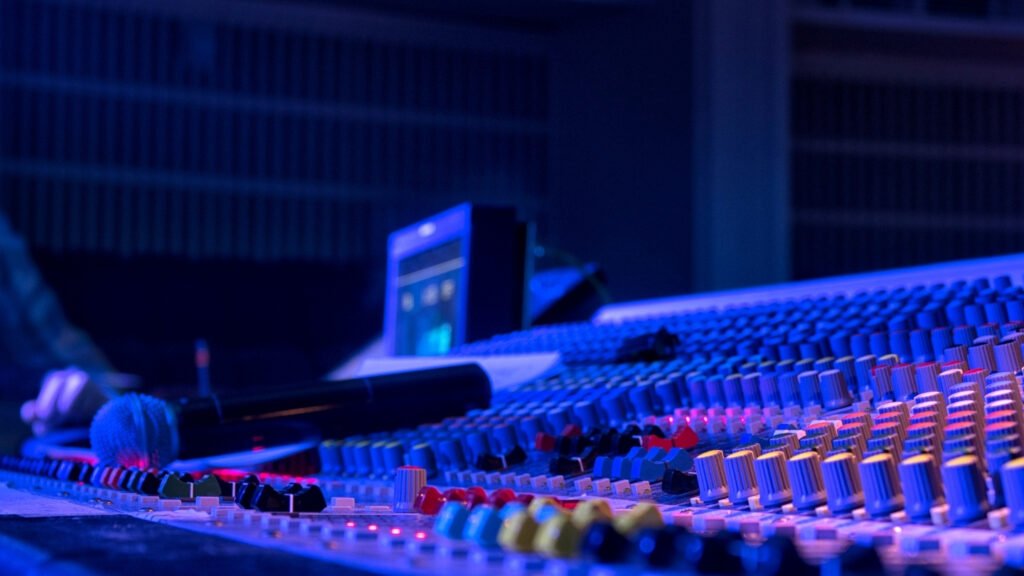
Then came the microphones, faders, and first recordings
Knowing the purpose of community radio was only the beginning. The next step was learning how to make it.
Every exercise moved the participants closer to the same powerful moment: hearing something they had researched, recorded, and created coming back through the speakers.

Media literacy is also a form of confidence
The project was designed to develop more than technical ability.
Participants could share their experiences with the wider community, explain what they had learned to the groups they represented, and better understand how media stories are selected, framed, and presented.
That matters because media literacy changes a person’s relationship with information. A participant no longer hears a radio report only as a listener. They understand the research, choices, editing, and responsibility behind it.
Participants were learning how to move from being represented by the media to becoming active contributors within it.
New voices make local radio more local
Dundalk has been shaped by people who arrived from many countries, carrying languages, music, memories, skills, businesses, family traditions, and new ways of seeing the town.
If those experiences are missing from local radio, the station cannot fully reflect the community outside its door.
A weekly reporter slot offered something valuable to everyone. New contributors gained access to the airwaves. Listeners heard experiences they might not encounter in their everyday lives. Community groups gained members with practical communication skills. Dundalk FM became more representative of the place it served.
From a training room to a wider culture of participation
The project sat within a longer history of Dundalk FM training people from migrant and international communities. Later station records describe Dundalk International trainees, free radio courses for migrants and refugee women, and programmes that explored migration experiences through collaboration.
A national report on the social benefits of community radio also documented projects designed to challenge xenophobia by creating direct contact with migrant experiences. Training, teamwork, and participant-led interviews helped replace second-hand assumptions with real voices.
This approach still matches the current values described in Dundalk FM’s mission as an inclusive community station. The station welcomes participation from established and newer communities, recruits volunteers from across Dundalk, and offers supportive training without requiring previous broadcasting experience.

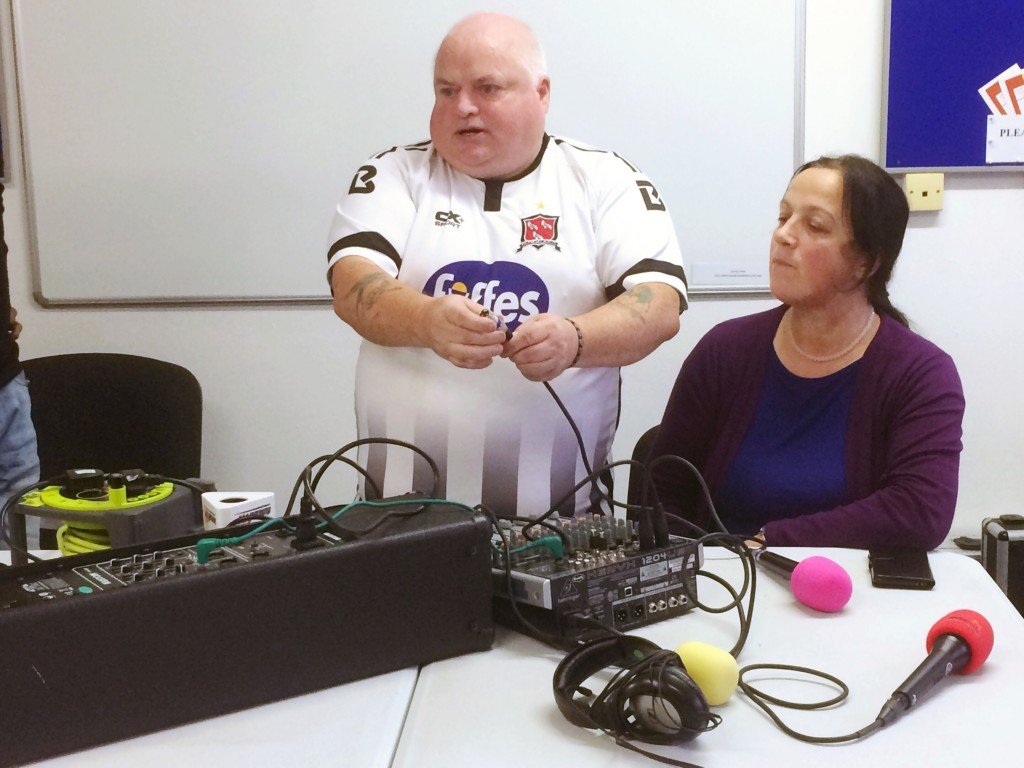
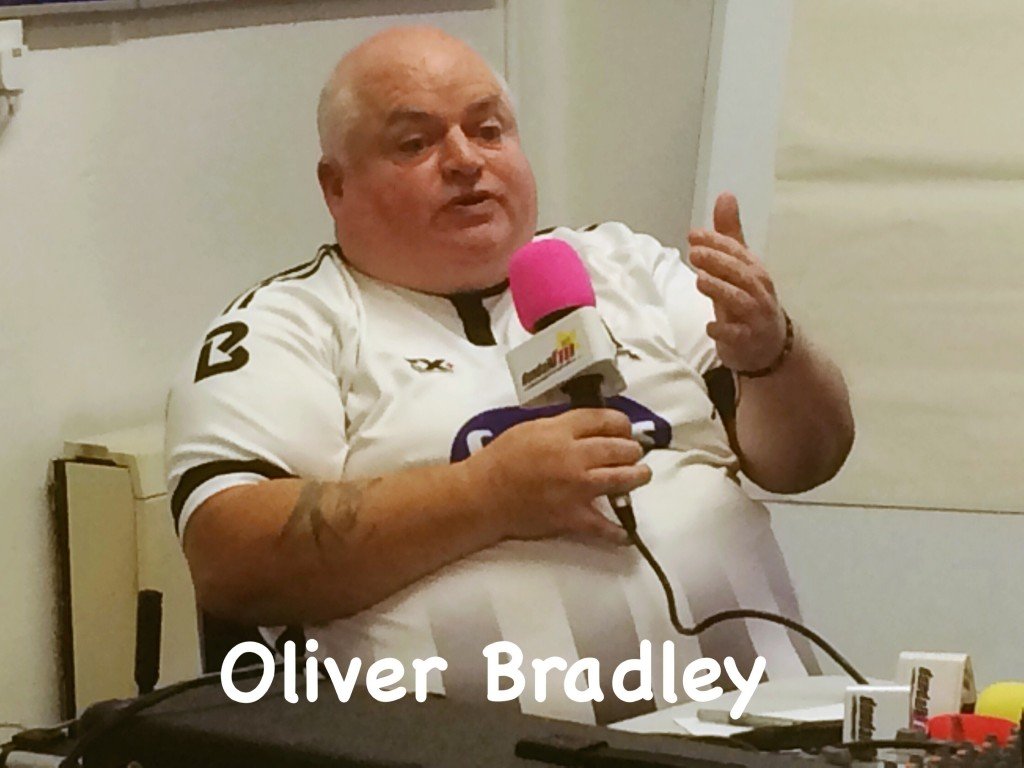
A photograph can show training. A voice can show belonging.
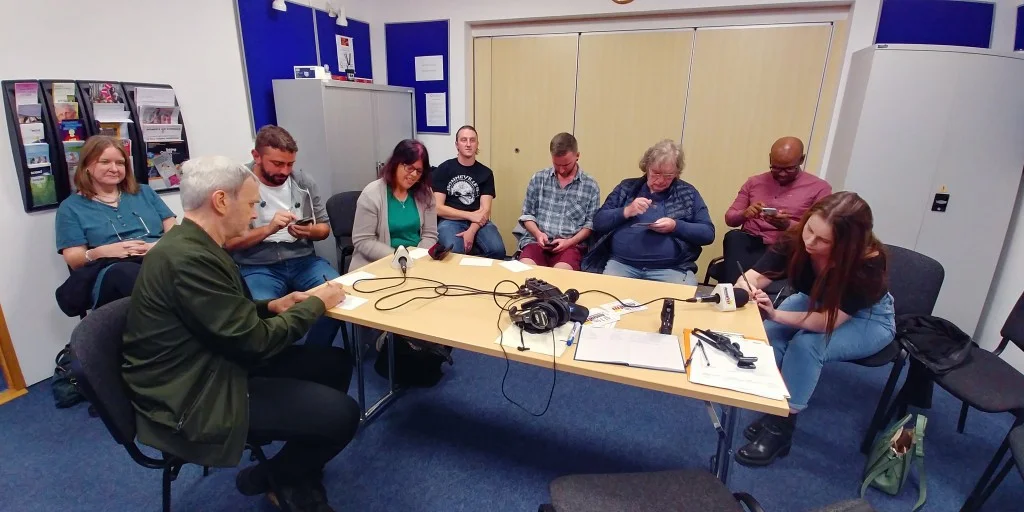
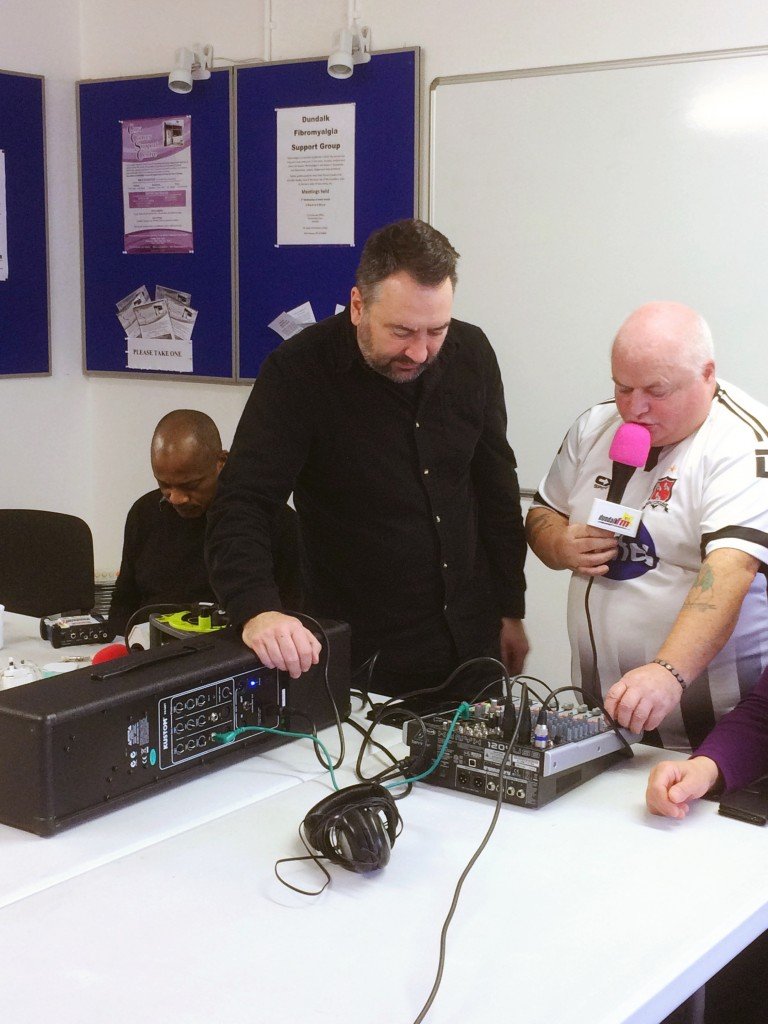
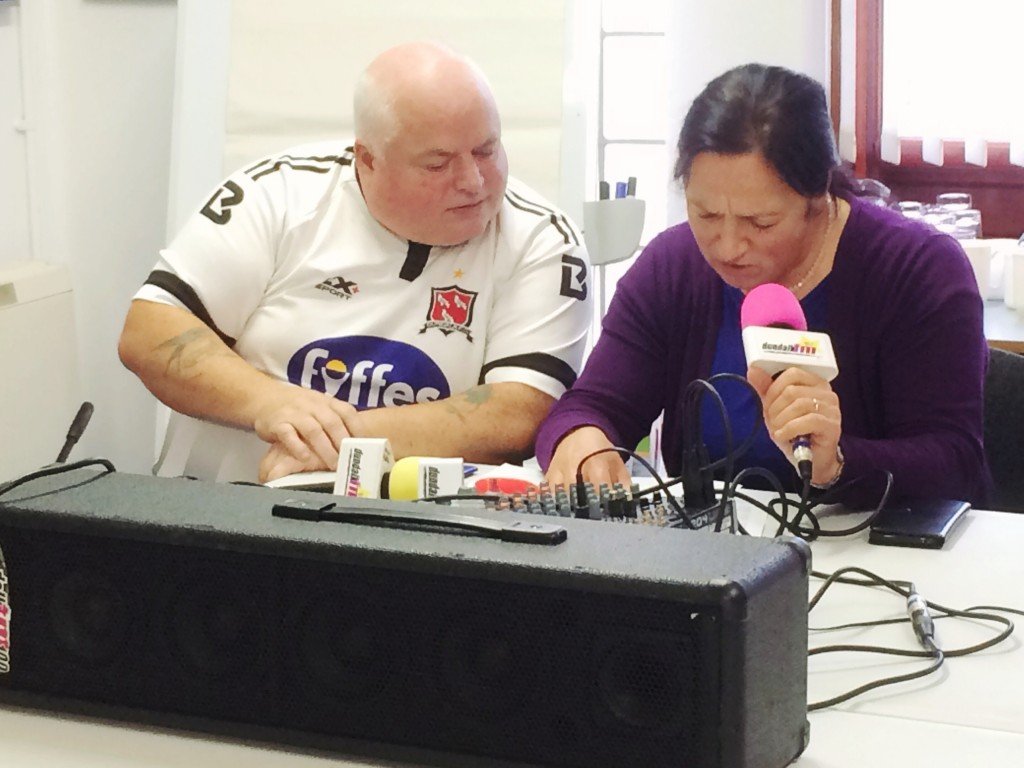
The photographs from the first workshop were taken by Lucie Mingmei Hao, then a fourth-year TV and Film student at Dundalk Institute of Technology. They capture people learning, listening, trying equipment, and working alongside one another.
But the true result of a radio project cannot be contained in a photograph.
It is heard when somebody introduces a community story with confidence. When a listener recognises their own experience on air. When a participant realises that an accent is not something to hide, but part of the voice they bring to Dundalk.
Who has not been heard yet?
That question remains essential for every community station. Dundalk continues to change, and its radio service must keep making room for the people, languages, cultures, and stories that now form part of local life.
If you or your community group has a story to share, explore the Dundalk FM community hub, contact the station about taking part, or listen live to the voices already on air.
This article was researched, refreshed and prepared for Dundalk FM by Astory Media, helping local organisations turn valuable archive material into engaging digital content.