You do not volunteer because you already know how to make radio. You volunteer because you would like to learn.
What does a Dundalk FM volunteer actually do?
The microphone may be the most visible part of radio, but a station needs many different interests and abilities.
You might love being on air. You might prefer making everything work behind the scenes. Both matter.
Your first step is smaller than you imagine
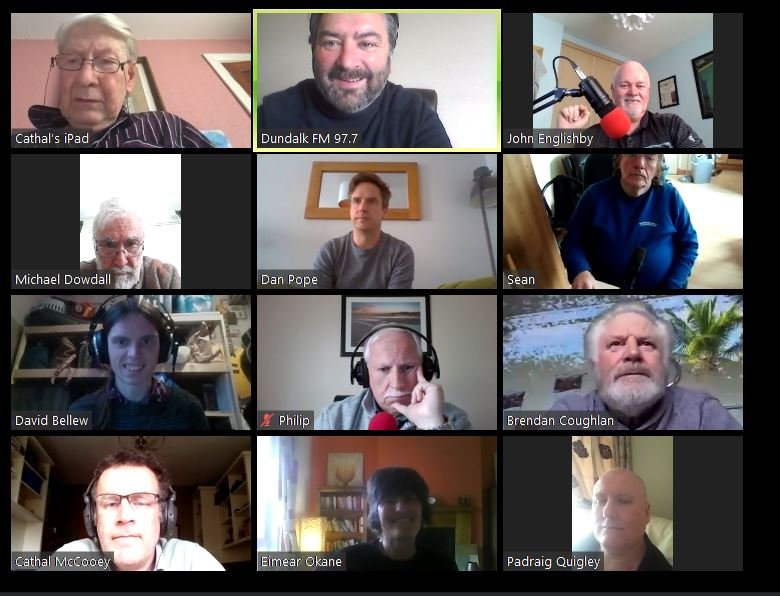
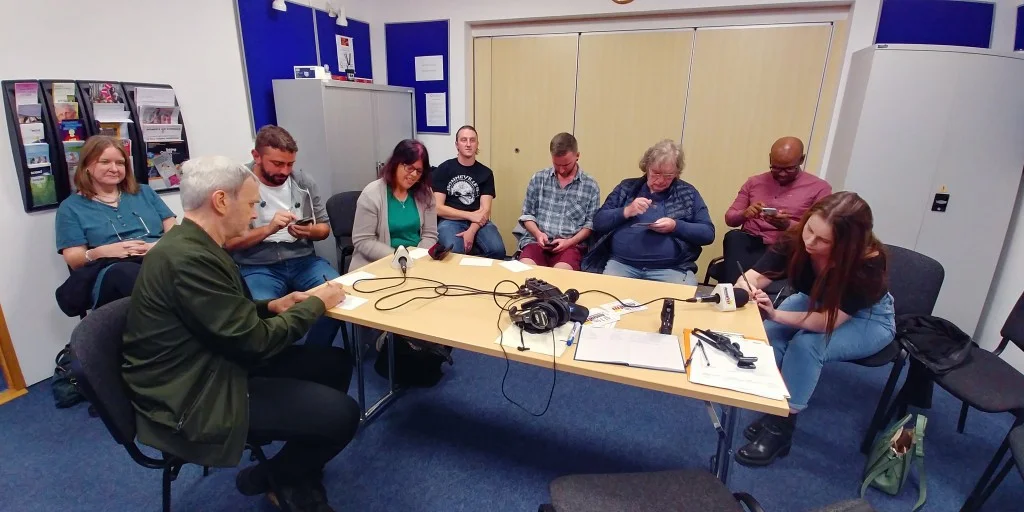
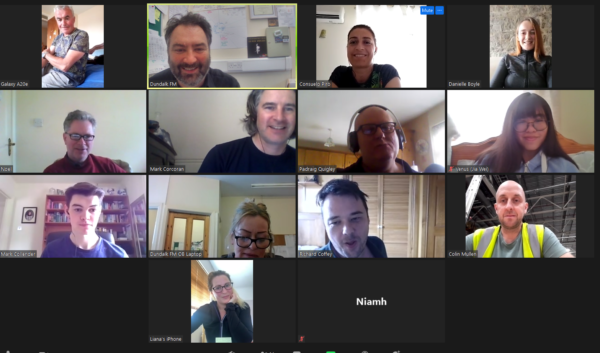
In July 2020, twelve potential volunteers joined a Dundalk FM information session. John, Consuelo, Danielle, Noel, Mark, Venus, another Mark, Richard, Colin, Liana, Niamh, and Hammond arrived with different experiences and different reasons for being curious about radio.
They were not asked to walk into a live studio and fill an hour immediately.
Instead, Padraig Quigley and Marissa Lucchesi offered to help each person record a one-off music programme. The choices included AlphaBeats, 100 Years of Music, and Spotlight, three friendly formats that gave a beginner somewhere clear and enjoyable to start.
It only needs to help you discover what happens when your interests, ideas, and personality meet a microphone.
From curious beginner to confident broadcaster
The volunteer journey is designed to build confidence one step at a time.
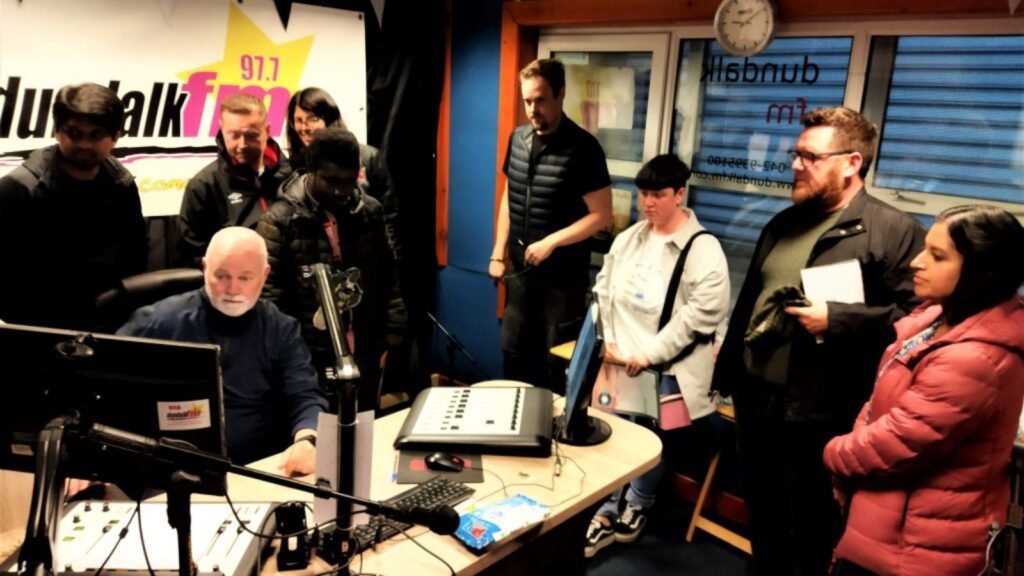
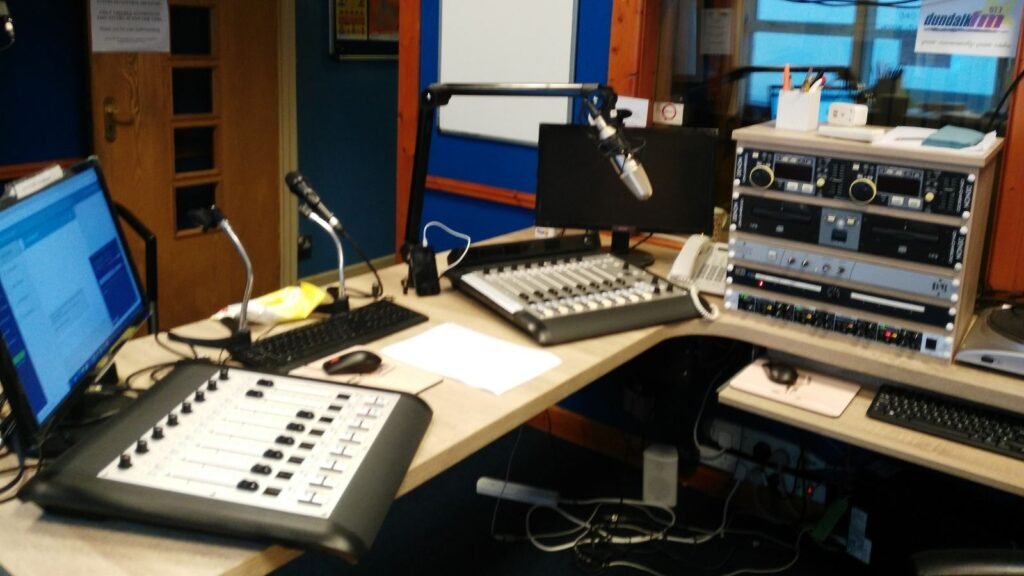
Training can introduce you to programme planning, running orders, microphone technique, interviews, audio recording, editing, and operating a sound desk. More importantly, it gives you space to practise without pretending you know everything already.
The station’s current values make that commitment clear. Dundalk FM welcomes people into training in a supportive atmosphere, with no previous broadcasting experience required.
You may gain more than radio skills
Learning to present a programme can make you a clearer speaker. Interviewing guests can make you a better listener. Editing audio develops patience and attention to detail. Working with other volunteers builds teamwork, confidence, and friendships.
Volunteering can help you:
- become more confident speaking and communicating
- learn practical recording and editing skills
- meet people from across Dundalk and County Louth
- support local groups, campaigns, events, and stories
- explore an interest in media, journalism, music, or production
- create something you are proud to share
Some volunteers discover a path towards education or employment. Others find a creative outlet, a weekly routine, or a stronger connection to the town. There is no single correct reason for joining.
What kind of programme could you bring to Dundalk?
Think about the conversations you wish happened more often.
Could you introduce listeners to new Irish music? Tell the stories of local businesses? Cover grassroots sport? Create a programme for a community that rarely hears itself represented? Explore local history? Interview artists, volunteers, carers, campaigners, or people with extraordinary everyday lives?
Dundalk FM already broadcasts a wide mix of speech and music, but community radio is never finished. It grows whenever somebody new arrives with a perspective the station has not heard before.
You do not have to become a presenter
Perhaps being on air is not your goal. You could still have an important role.
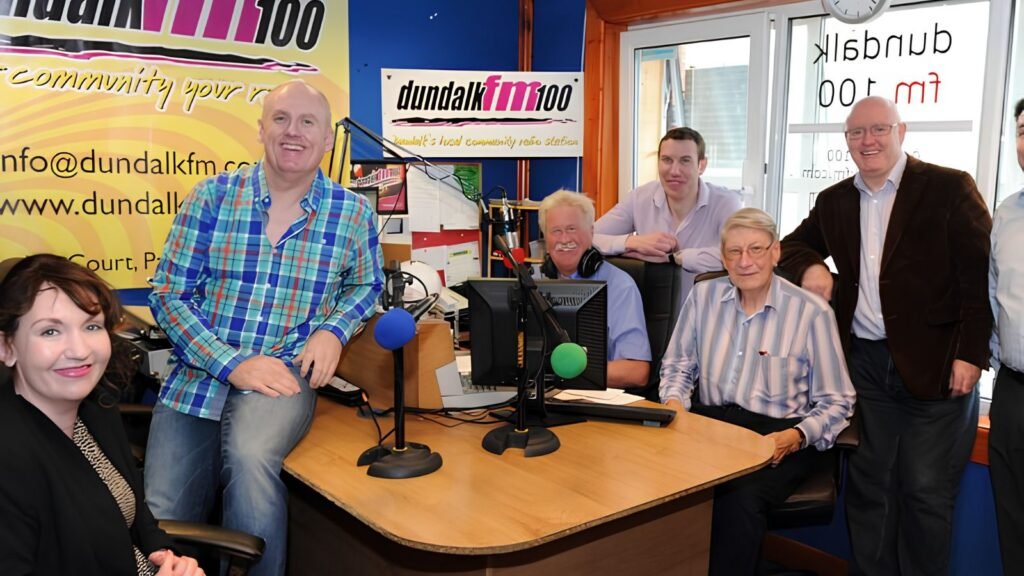
Researchers help presenters ask better questions. Producers keep programmes organised. Editors turn raw recordings into engaging audio. Technical volunteers support sound desks and outside broadcasts. Community contributors help the station stay connected to local groups and events.
The station is built by people with different strengths. Your contribution does not need to sound like anybody else’s.
What if your first show is closer than you think?
You do not need to arrive with a finished proposal. Contact Dundalk FM, share what interests you, and ask about the next volunteer information session or introductory training opportunity.
You can also listen live and explore the Dundalk FM schedule. Pay attention to the programmes that make you think, “I would love to try that.”
That thought may be all you need to begin.