Training and Volunteering
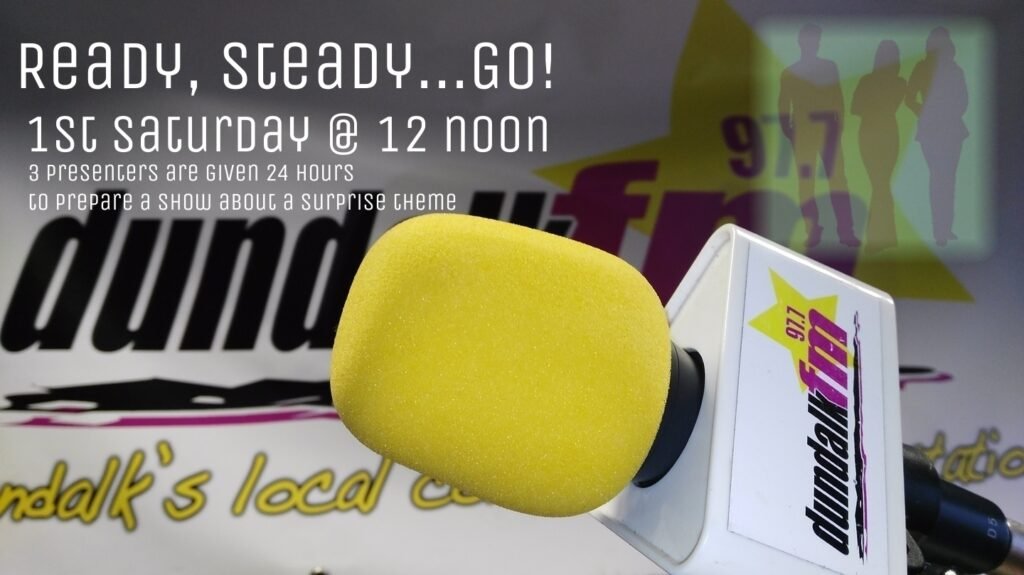
24HOURS Ready, Steady, Go Could You Make a Radio Show in 24 Hours? Three presenters walk into a studio. They have never worked together. The theme is a secret. And the clock is already ticking. A creative radio challenge from Dundalk FM 97.7 Imagine opening a message and discovering the subject of your next radio show.It could be firsts. It could be journeys. It could be songs that changed the world, guilty pleasures, local legends, or something so unexpected that your first reaction is laughter. Now imagine you have just 24 hours to turn that theme into one entertaining hour of radio. Ready? Borrowed from guerrilla filmmaking, rebuilt for radio In guerrilla filmmaking challenges, a team receives a surprise theme and races to create a finished film before time runs out. Dundalk FM took that creative pressure and brought it into the studio. The result was Ready, Steady, Go, a format built around surprise, teamwork, quick thinking, and the wonderful possibility that absolutely anything might happen. 3 presentersPicked to work together 1 secret themeRevealed at the last moment 24 hoursTo create the show The best part is not knowing Most radio programmes begin with plenty of preparation. Presenters know their subject, choose their music, arrange interviews, and polish the running order. This challenge deliberately removes that comfort. The presenters know in advance who will be on the team. They can meet, discover each other’s strengths, and decide how they might work together. But one crucial piece remains hidden until the day before broadcast. The theme stays secret. That is where the nerves begin, and where the creativity comes alive. What happens when the theme arrives? The 24 hour countdown begins: Three different minds react to the same surprise. Ideas are pitched, challenged, combined, and occasionally abandoned. Music, stories, interviews, comedy, and local voices begin to take shape. A running order emerges from the chaos. The studio light comes on, ready or not. The pressure is real, but so is the freedom. Nobody expects perfection. The fun comes from hearing people think on their feet and discovering how three personalities interpret the same idea. One theme can become a hundred different shows Give three presenters the word “home” and one might choose songs about Dundalk, another might interview people who returned after years abroad, and the third might explore the sounds that instantly bring back childhood memories. Change the theme and the entire programme changes with it. First times Hidden Dundalk Second chances One unforgettable summer Local heroes Music after midnight That unpredictability makes the idea as enjoyable for listeners as it is for the presenters. You are not only tuning in for the topic. You are tuning in to hear how the team solved the challenge. Why creative experiments belong on community radio Formats like this capture what makes Dundalk FM’s approach to community radio so valuable. The station can take a chance on an unusual idea, bring different local voices together, and create something that could never be produced by an automated playlist. It also gives presenters permission to stretch themselves. A music specialist may discover a talent for interviewing. A quiet researcher may deliver the funniest moment in the programme. Three people who barely knew one another can leave the studio already planning what they would do next time. That is the lasting appeal of Ready, Steady, Go. It is not tied to one date or one broadcast slot. It is a reminder that great radio can begin with a surprising idea, a willing team, and the courage to start before every detail feels comfortable. Would you accept the challenge? If this sounds exciting rather than terrifying, community radio may have a place for you. Explore what is happening at Dundalk FM, or introduce yourself and share the kind of programme you would love to make. Tell Dundalk FM your idea And while you are thinking about it, listen live to Dundalk FM 97.7. The next voice you hear might once have been wondering whether they were ready too. Dundalk FM 97.7, where local voices and brave ideas get on the air.
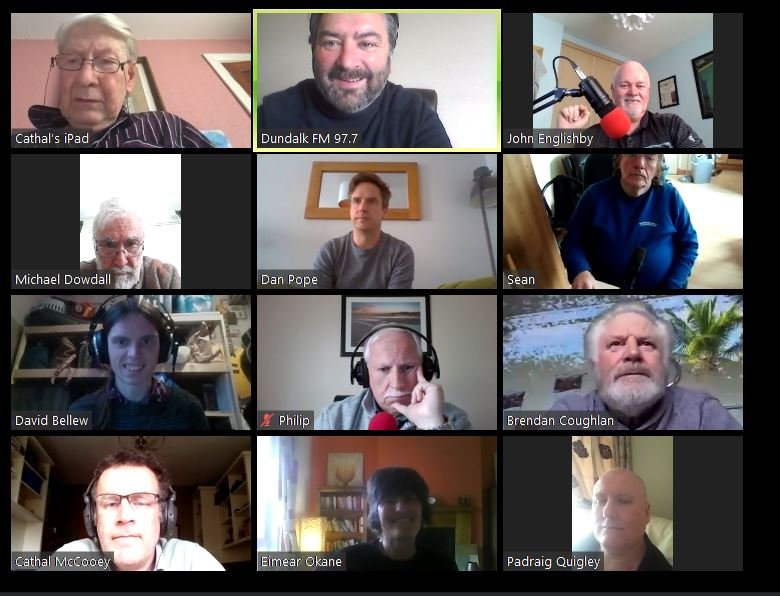
Dundalk FM in lockdown! Remote but Never Distant: How Dundalk FM Kept Broadcasting The studio fell quiet in spring 2020. Across Dundalk, spare bedrooms, kitchen tables, laptops, and mobile phones became the beginnings of a new kind of radio station. April to May 2020 • Dundalk FM 97.7 The microphones were still there. The sound desk was ready. The studio lights could still glow red. But the presenters could not gather around them. When the first Covid lockdown separated Dundalk FM’s volunteers from the station and from one another, local radio suddenly faced a difficult question. How do you keep a community connected when the people making the programmes cannot share a studio? The answer began with a weekly call On 23 April 2020, a group of presenters met remotely for the first in a series of broadcasting question and answer sessions. Some were experienced editors. Others were taking their first steps with home recording. Everybody had something to learn, and almost everybody had something useful to share. 23 AprilSession one 30 AprilSession two 7 MaySession three 14 MaySession four Over four Thursdays, names and faces appeared on screen: John Englishby, Dan Pope, Eimear O’Kane, Brendan Coughlan, Cathal Cassidy, Alan Byrne, Cathal McCooey, Mary Rose Muckian, Philip O’Brien, Sean Callaghan, Padraig Quigley, David Bellew, Marian Del Duca, Pat Byrne, Tracey Hanby, and others from across the station. The calls were practical, but they were also social. Presenters who had never met properly before said hello. People compared equipment, solved problems, demonstrated editing techniques, and encouraged colleagues who were nervous about recording alone. There was a wonderful sense of “we’re in this together.” The studio had become a collection of homes, but the team was still a team. Presenters met online to exchange ideas, solve recording problems, and keep programmes moving during lockdown. Could a kitchen table become a radio studio? It turned out that the first step did not require a room full of expensive equipment. A smartphone could record a presenter’s links. A plug in microphone or gaming headset could make a conversation sound clearer. Soft furnishings could reduce echo. A laptop could bring interviews together through Zoom, while editing software allowed voices, music, introductions, and station sounds to become a finished programme. A quiet roomCurtains, carpets, and soft furniture help calm unwanted echo. A clear microphoneA simple headset or USB microphone can transform how close a voice feels. A willingness to learnThe most important part of the home studio was the person willing to press record. Padraig Quigley shared advice on equipment and improving a laptop. Philip O’Brien explained how he built a promo for AlphaBeats by combining music, voice, and station audio. John Englishby demonstrated an edit for a Joe Jackson Spotlight programme and offered to help Mary Rose Muckian develop her own editing skills. The programmes kept taking shape This was not training for some distant future. Every new skill could help put another local programme on air. Ideas developed during the sessions included: new editions of Spotlight and AlphaBeats, the continuing 100 Years of Music project, a Slane concert series, a remote version of Ready, Steady, Go, a programme linking songs through five degrees of separation, and a new Community Call series. For 100 Years of Music, presenters divided the decades between them. One person could research and write. Another could record. Someone else could edit. Files travelled between homes, and individual contributions became complete broadcasts. Shows such as Fadó Fadó, The Brunch, Health and Well Being, and Beaten Tracks explored ways to keep conversations flowing even when the contributors were miles apart. Radio for people who needed company The technical learning served a larger purpose. During lockdown, isolation was not an abstract problem. Older listeners and people living alone could go days without seeing a familiar face. Dundalk FM began developing Community Call as a 24 part series, bringing together researchers, presenters, and editors to share helpful information and strengthen connections. The Community Foundation for Ireland later recorded support for a Dundalk FM radio programme aimed at increasing connectivity among older people in the town. The work reflected the same purpose that continues to define Dundalk FM as a community radio station. Technology mattered, but only because it helped one local voice reach another person who needed to hear it. Learning to listen differently Remote conversations were not always easy. Mary Rose captured one of the central difficulties: speaking into a laptop could feel stilted, with the natural rhythm of conversation harder to find. The group learned that good headphones and a closer microphone could make voices feel more immediate. They also learned to leave space, listen carefully, and accept that an online conversation had its own rhythm. Those lessons went beyond software. They made presenters more patient, more resourceful, and more aware of how much warmth the human voice can carry. A simple invitation brought the station’s presenters together while they could not meet in person. The doors reopened, but the knowledge remained Plans were made for presenters to begin returning to live broadcasting from 8 June 2020 under new safety rules. The station would look different. Numbers were restricted, guests stayed away at first, and every return required care. Yet Dundalk FM did not return as the same station that had entered lockdown. Its volunteers now knew how to record on phones, conduct remote interviews, edit programmes at home, transfer large audio files, and collaborate without sitting in the same room. That knowledge continued to create opportunities. A remote studio established at RehabCare Dundalk during the pandemic later helped participants remain involved in training and broadcasting, an initiative recognised in coverage of volunteer Jason Kelly’s contribution to community radio. The real lesson was never about the equipment A microphone could be inexpensive. A studio could be a spare room. An interview could arrive through a laptop. What made it radio was the willingness to learn, help a colleague, and keep talking to the community. That spirit remains part of Dundalk FM
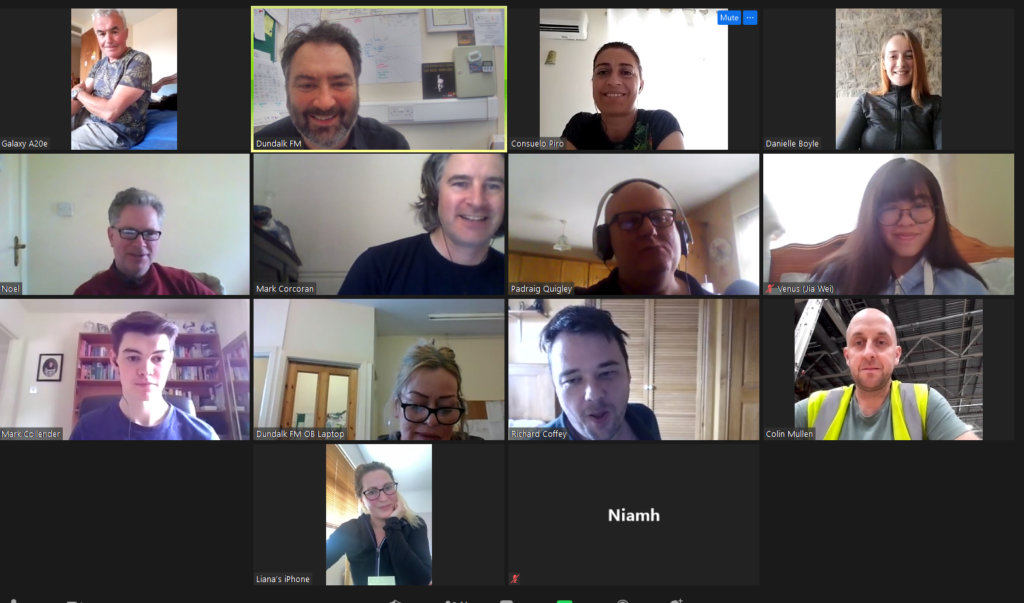
Join Dundalk FM 97.7 Your Voice Belongs Here You do not need a radio voice, technical experience, or a perfect programme idea. You only need curiosity and the willingness to try. Volunteering, training, creativity, and community Have you ever heard a presenter introduce a song and quietly wondered what it would feel like to sit behind the microphone yourself?Perhaps you know everything about a particular kind of music. Maybe you follow local sport, care deeply about community issues, enjoy meeting people, or have a talent for finding stories nobody else has noticed.You might be closer to radio than you think.At Dundalk FM, presenters are not distant celebrities with impossible voices. They are local people who decided to give it a try. You do not volunteer because you already know how to make radio. You volunteer because you would like to learn. What does a Dundalk FM volunteer actually do? The microphone may be the most visible part of radio, but a station needs many different interests and abilities. Present programmesShare music, conversation, sport, culture, news, or a specialist interest. Research local storiesFind guests, prepare questions, check information, and uncover ideas worth sharing. Produce and edit audioShape interviews, music, introductions, and recorded material into a finished programme. Support the communityHelp with outside broadcasts, events, community notices, and local outreach. You might love being on air. You might prefer making everything work behind the scenes. Both matter. Your first step is smaller than you imagine In July 2020, twelve potential volunteers joined a Dundalk FM information session. John, Consuelo, Danielle, Noel, Mark, Venus, another Mark, Richard, Colin, Liana, Niamh, and Hammond arrived with different experiences and different reasons for being curious about radio. They were not asked to walk into a live studio and fill an hour immediately. Instead, Padraig Quigley and Marissa Lucchesi offered to help each person record a one-off music programme. The choices included AlphaBeats, 100 Years of Music, and Spotlight, three friendly formats that gave a beginner somewhere clear and enjoyable to start. A Dundalk FM information session in July 2020 introduced a new group of volunteers to the possibilities of community radio. The first programme does not need to change the world. It only needs to help you discover what happens when your interests, ideas, and personality meet a microphone. From curious beginner to confident broadcaster The volunteer journey is designed to build confidence one step at a time. 1. Say helloTell the station what interests you 2. Learn the basicsDiscover how programmes are made 3. Make a recordingTry your first supported show 4. Find your placeDevelop a role that suits you Training can introduce you to programme planning, running orders, microphone technique, interviews, audio recording, editing, and operating a sound desk. More importantly, it gives you space to practise without pretending you know everything already. The station’s current values make that commitment clear. Dundalk FM welcomes people into training in a supportive atmosphere, with no previous broadcasting experience required. You may gain more than radio skills Learning to present a programme can make you a clearer speaker. Interviewing guests can make you a better listener. Editing audio develops patience and attention to detail. Working with other volunteers builds teamwork, confidence, and friendships. Volunteering can help you: become more confident speaking and communicating learn practical recording and editing skills meet people from across Dundalk and County Louth support local groups, campaigns, events, and stories explore an interest in media, journalism, music, or production create something you are proud to share Some volunteers discover a path towards education or employment. Others find a creative outlet, a weekly routine, or a stronger connection to the town. There is no single correct reason for joining. What kind of programme could you bring to Dundalk? Think about the conversations you wish happened more often. Could you introduce listeners to new Irish music? Tell the stories of local businesses? Cover grassroots sport? Create a programme for a community that rarely hears itself represented? Explore local history? Interview artists, volunteers, carers, campaigners, or people with extraordinary everyday lives? Dundalk FM already broadcasts a wide mix of speech and music, but community radio is never finished. It grows whenever somebody new arrives with a perspective the station has not heard before. You do not have to become a presenter Perhaps being on air is not your goal. You could still have an important role. Researchers help presenters ask better questions. Producers keep programmes organised. Editors turn raw recordings into engaging audio. Technical volunteers support sound desks and outside broadcasts. Community contributors help the station stay connected to local groups and events. The station is built by people with different strengths. Your contribution does not need to sound like anybody else’s. What if your first show is closer than you think? You do not need to arrive with a finished proposal. Contact Dundalk FM, share what interests you, and ask about the next volunteer information session or introductory training opportunity. Ask about volunteering Call 042 939 5100 You can also listen live and explore the Dundalk FM schedule. Pay attention to the programmes that make you think, “I would love to try that.” That thought may be all you need to begin. Dundalk FM 97.7, your station, your community, and perhaps your next adventure. — This article was researched, refreshed and prepared for Dundalk FM by Astory Media, helping local organisations turn valuable archive material into engaging digital content.
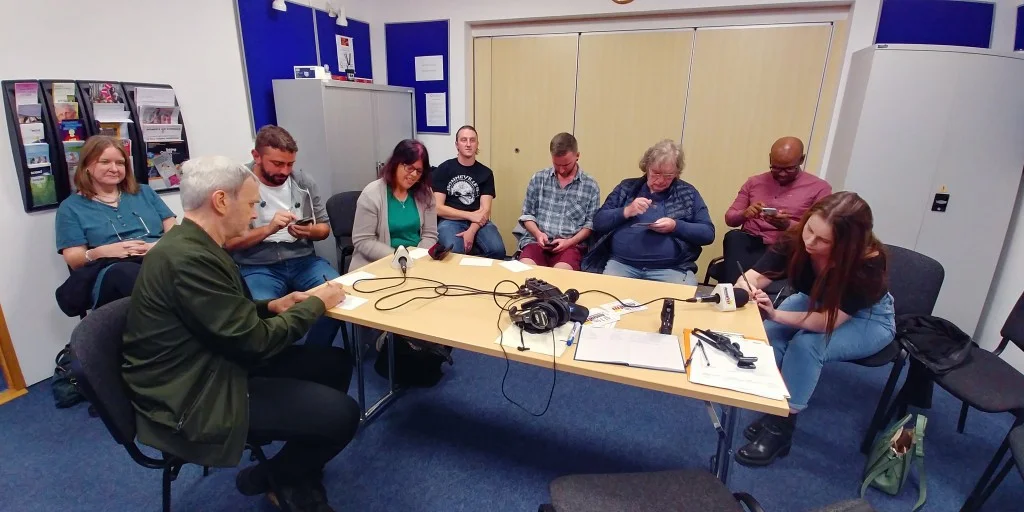
A first night in community radio Five Irish Tunes, Seven New Voices, and One First Step into Radio They arrived as potential volunteers on Thursday evening. By Saturday, their voices and musical choices were being heard on Dundalk FM. Presenter: Alan Byrne Contributors: Dean Wright, Barbara McClure, Luka Stopic, Mary Gantley, Seoirse McCann, Conor Clarke, Sean Callaghan, Bruno Vilares, Róisín Ward Morrow. 25 to 27 August 2022 • Dundalk FM 97.7 Most people expect their first night at a radio station to involve a tour, a cup of tea, and somebody explaining what all the buttons do.This group was given a more exciting introduction.Choose an Irish tune. Research it. Write something worth saying. Then record your first radio link.Seven new volunteers accepted the challenge at Dundalk FM on Thursday, 25 August 2022. Two days later, the completed programme went out on air. 7 volunteers Discovering radio together 5 Irish tunes Chosen and introduced by the group 2 days later Their programme was broadcast New volunteers gathered at Dundalk FM to choose, research, and introduce five pieces of Irish music. Meet the new voices Dean Wright, Barbara McClure, Luka Stopic, Mary Gantley, Conor Clarke, Bruno Vilares, and Róisín Ward Morrow They did not arrive with years of professional broadcasting experience. That was not the point. The information night was designed to let people experience the creative process quickly. Instead of spending hours talking about what radio might feel like, the volunteers began making it. The fastest way to stop imagining yourself on radio is to hear your own first link coming back through the speakers. It begins with choosing a song A programme called 5 Irish Tunes offers a perfect starting point. Music gives a new presenter something familiar to hold onto, but every choice also creates a story. Why this artist? Why this recording? What should a listener know before the first note? Is there a connection to a place, a memory, a musical tradition, or a moment in Irish culture? Answering those questions turns a song choice into radio. Choose Find an Irish tune worth sharing. Research Discover the story behind the music. Write Create a clear and engaging link. Record Step up to the microphone and begin. Experience passed from presenter to presenter Seoirse McCann and Sean Callaghan joined the group to talk about their own experience of presenting on Dundalk FM. Their presence mattered because the volunteers could ask questions of people who had already crossed the same invisible line from listener to broadcaster. They encouraged the group to continue into the station’s September radio course, where participants would learn how to plan programmes, write running orders, record and edit interviews, use audio software, and operate the studio sound desk. The message was reassuring: nobody begins by knowing everything. Community radio grows because people who have learned are willing to help the next person learn too. The running order turned separate ideas into one show The running order guided the finished programme from opening to closing. A running order is the map of a radio programme. It shows when each voice appears, where every song begins, and how the individual pieces fit together. For a first-time presenter, seeing the programme written down makes the task feel possible. You do not have to fill an hour all at once. You only need to deliver the next prepared link. The volunteers recorded their contributions on Thursday evening. Alan Byrne edited the material the following day, bringing the separate voices and music together as one coherent programme. Then came the moment that made it real On Saturday, 27 August, the programme was broadcast on Dundalk FM. That short turnaround gave the group something every new volunteer needs: proof. Their voices could become part of the station. Their choices could become part of the schedule. Their first recording did not have to remain a practice exercise hidden on a computer. Listen to the programme Hear the new volunteers introduce their selections in the original 5 Irish Tunes broadcast on Mixcloud. The information night was only the beginning Several members of the group continued into Dundalk FM’s September 2022 presenter course. There, new volunteers learned the language of radio, practised community notices, developed technical skills, prepared programme proposals, and worked towards placing new ideas in the schedule. The original station update predicted that new community programmes would begin appearing by October. That confidence came from what the team had already heard on the volunteers’ first night. Five songs can open a much bigger door The format still appears in the current Dundalk FM programme schedule. Its lasting value is easy to understand. Five musical choices give a beginner enough structure to feel safe and enough freedom to sound like themselves. If you have ever wondered whether radio could be for you, ask Dundalk FM about volunteer training. Your first programme may begin with something as simple as choosing a song you cannot wait to share. This article was refreshed and prepared for Dundalk FM by Astory Media, helping local organisations turn valuable archive material into engaging digital content. Dundalk FM 97.7, where a first song can become the beginning of a new voice on air.
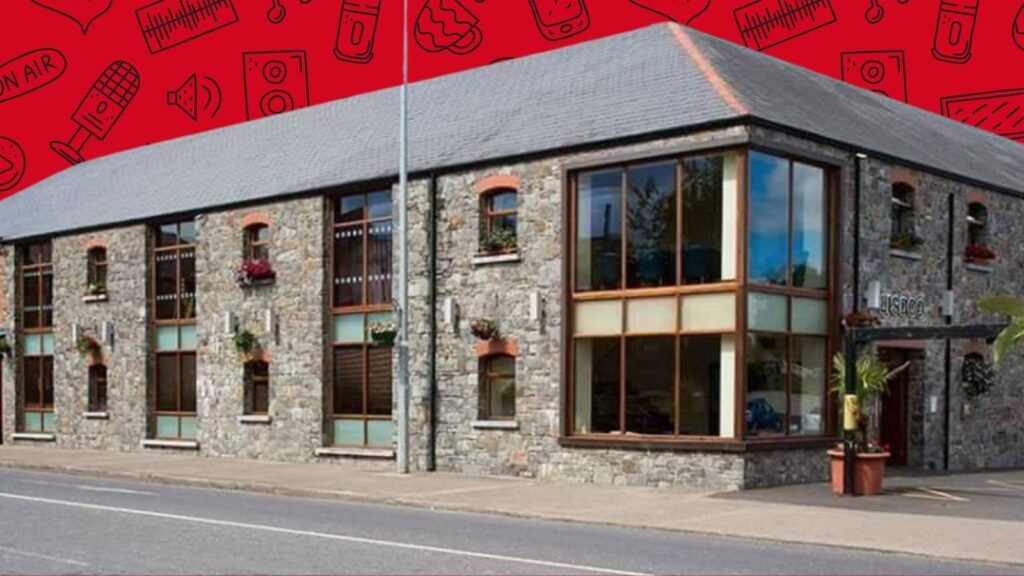
Dundalk FM would like to invite you to come along to our Coffee Evening on Thursday 9th May from 7 to 8. We are a Social Inclusion and Community Development Radio Station that is run by community group representatives and individuals on a not for profit basis. The station has over 90 volunteers and provides Programming that reflects the experiences of people living in Dundalk. Employment and training opportunities for people in the area. Opportunities for small local enterprises to reach a local listenership. We have ongoing vacancies for Programme Presenters. Sound Desk Operators. News and Sports Journalists. So for information about your next step in community radio and to find out about our next 2 day Learn about Radio course, call into us on Thursday the 9th May from 7 at Dundalk FM Studios, Partnership Court, Park Street, Dundalk. Looking forward to seeing you then.
Dundalk FM are celebrating the FIFA World Cup 2018 by making a show about all the 32 countries going to the finals. We need some help and are calling for volunteers from the countries who living in Dundalk and the surrounding area to get in contact. You will team up with our community radio broadcasters to help research, compile and present a show featuring your country. If you would like to volunteer email alanbyrne@dundalkfm.ie.
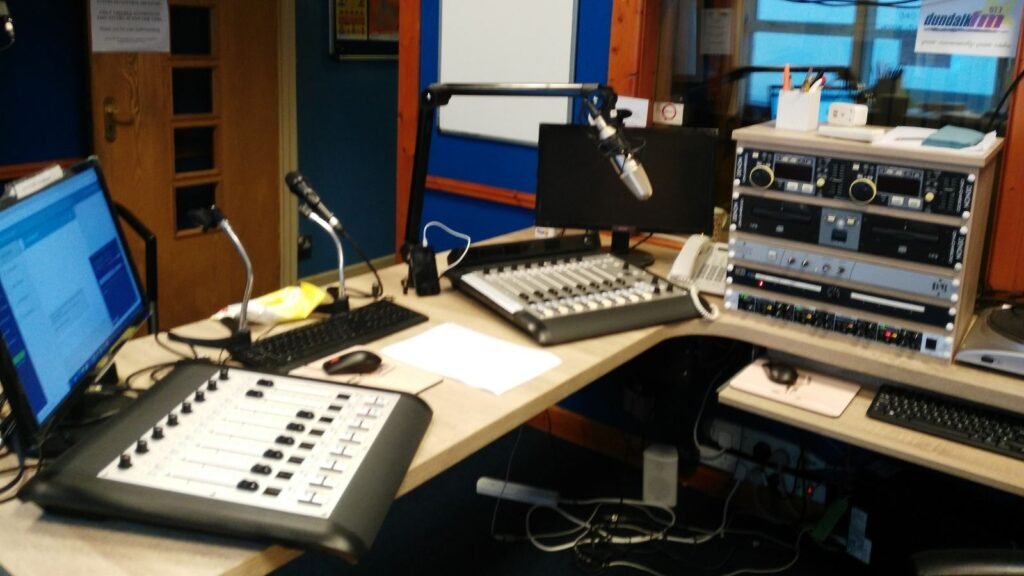
If you would like to register your interest in joining Dundalk ‘s Community radio station, then all it takes is for you to email info@dundalkfm.ie with your name and phone number and we will add you to our distribution list. We run regular information evenings and training courses as you can see in below.
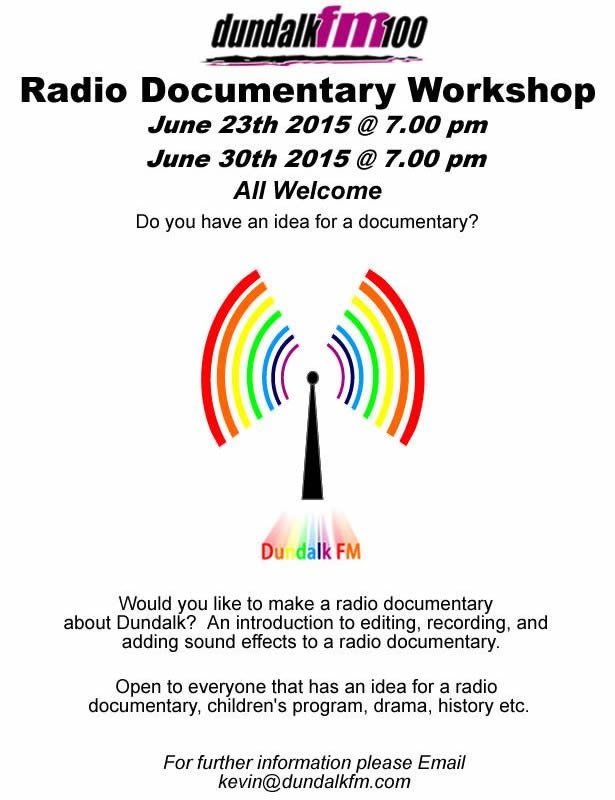
Dundalk FM would like invite you to a free Radio Documentary workshop on Wednesday June 23rd and June 30th at 7.00 pm. Open to everyone that has an idea for a radio documentary. We will demonstrate how to record and edit audio. For further info email kevin@dundalkfm.ie. All welcome. [podcast title=”Radio Documentary Workshop 27 May 2015″]https://dundalkfm.ie/wp-content/uploads/2015/05/RADIO-DOCUMENTARY-WORKSHOP-MEETING-MAY7TH-PROMO-1.mp3[/podcast]
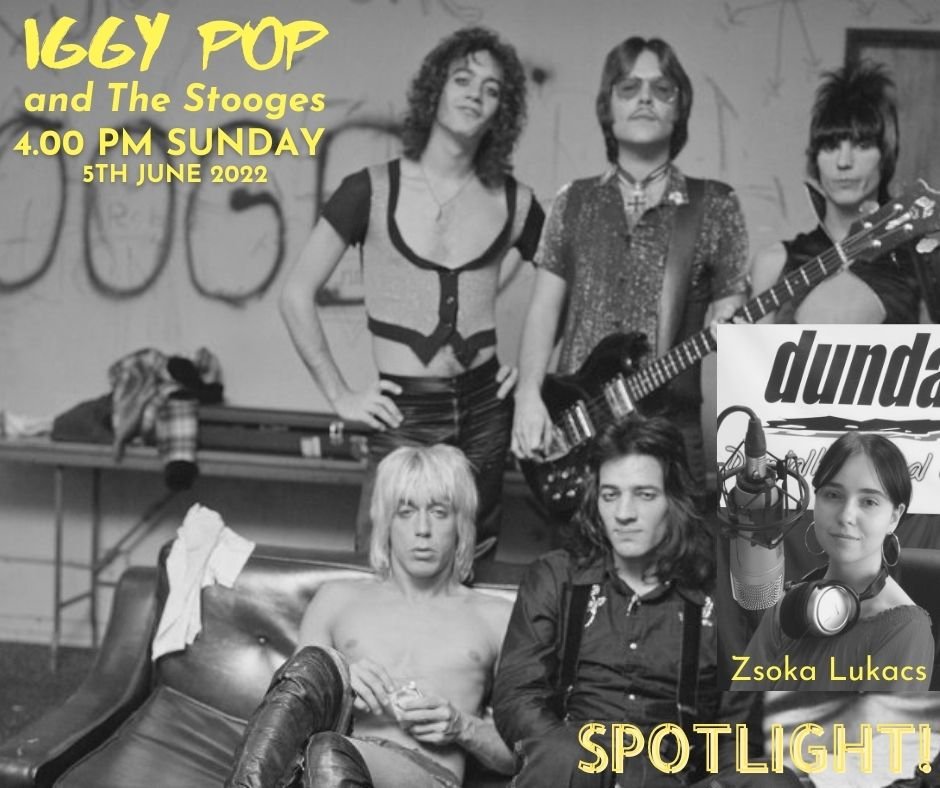
https://dundalkfm.ie/wp-content/uploads/2021/02/Town-Talk-Features-1-to-111.mp3 Spotlight Link to 5 Irish Tunes Webpage